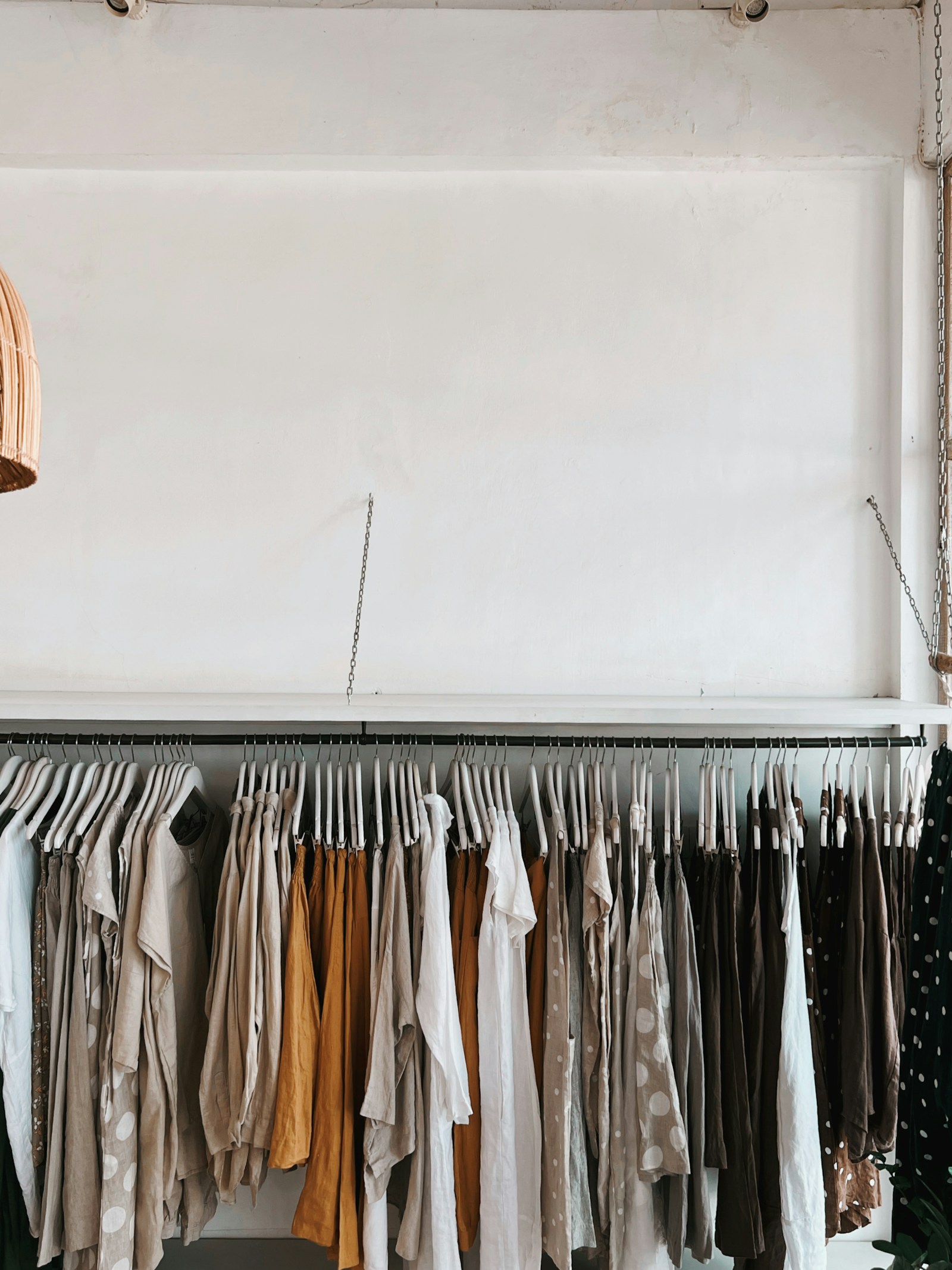
Dressing for a day out involves more than choosing a coat for the temperature at breakfast. You may walk to a station, sit indoors for hours and return after sunset. For ordinary town and city routines, a flexible outfit gives you a way to adjust without carrying half a wardrobe. This is everyday clothing guidance, not equipment advice for exposed or remote outdoor activities.
Build a comfortable indoor outfit, add adjustable layers and make room for what you remove.
Read the forecast around your journeys
Check the forecast for the place and hours you will actually be outside. The Met Office explains that its forecast includes separate information about temperature, feels-like temperature, wind and the chance of precipitation. Treat these as distinct planning inputs rather than reducing the day to one weather icon. Recheck before leaving if your plans depend on conditions, and follow current warnings where relevant.
Give each piece a clear job
Start with a comfortable indoor outfit. Add a removable layer for cooler periods, then choose outerwear appropriate to the forecast and your journey. This is a wardrobe exercise: identify which existing piece supplies each function before buying another. If two bulky layers serve the same purpose but cannot fit together, the combination is less flexible than it first appears. Try the complete outfit with the bag you intend to carry.
Check movement as well as chest room
Raise your arms, sit and reach forward while wearing all planned layers. Pay attention to sleeves, shoulders and the neck. A coat that closes comfortably over a T-shirt may feel very different over a thick jumper. Levi's sizing guidance notes that a roomier choice may be appropriate when layering underneath; still inspect the individual product's intended fit rather than automatically increasing every outerwear size.
Plan where the removed layer goes
A cardigan that fits into your bag may suit a mixed indoor day better than a very bulky knit, but only you can judge the comfort trade-off. Try packing the spare layer beside your usual essentials. Consider whether wet outerwear can be kept away from paperwork or electronics. Avoid adding a layer solely because it looks good in an outfit photograph if you cannot comfortably wear or carry it.
Record what worked
After a few outings, keep a brief note of the outfit, approximate conditions and time spent outside. Your commute and comfort preferences are more useful than a universal temperature-to-garment chart. Change one element at a time so you can understand the difference. If the same coat repeatedly proves awkward, name the problem clearly: restricted sleeves, insufficient storage, difficult ventilation or unsuitable stated weather protection.
Compare by what matters to you
| Part of the day | Planning question | Useful check |
|---|---|---|
| Walk to transport | What are conditions at that hour? | Local forecast and outerwear details |
| Warm indoor destination | What can I remove? | Outfit still works without the middle layer |
| Return journey | Will conditions or activity differ? | Packed layer is accessible |
Your before-you-buy checklist
Tick as you go. Your choices stay in this page and are not saved.
Questions worth asking
Is there one correct number of layers?
No. Adapt the combination to conditions, activity, time outside and personal comfort rather than following a fixed count.
Does this cover hiking or severe weather?
No. This article concerns ordinary everyday outfits. Exposed activities require specific preparation, suitable equipment and current local guidance.
Sources & scope
An everyday outfit-planning framework. No clothing performance testing or weather-protection ratings are claimed.
Sources checked 2026-11-13. This is editorial research, not a hands-on product review. Check the exact item’s description and care label before buying.